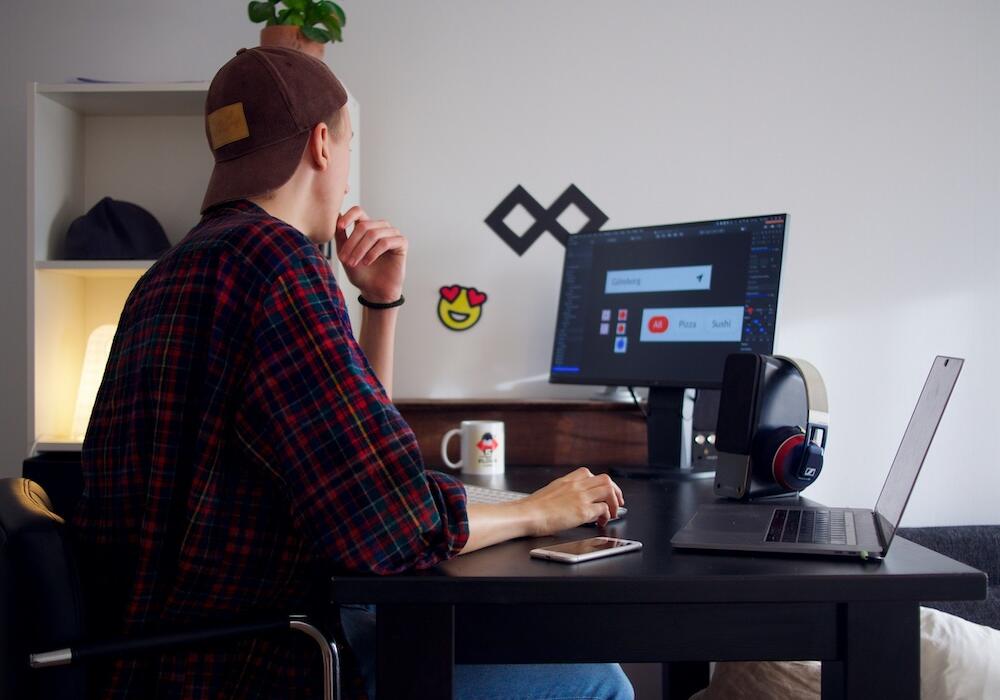
Sarah had been a graphic designer for eleven years. She was good at it — genuinely good. She’d built a solid client base, had a tidy portfolio, and charged rates that reflected her experience. Then, almost without warning, everything started to shift.
First, it was the small jobs. Logo concepts. Social media templates. Stock illustration. Clients who used to pay her $800 for a morning’s work were now sending her AI-generated drafts and asking her to “just tidy them up” — for a fraction of the price. Then the agency she’d been contracting with restructured. Then a retainer client mentioned, almost apologetically, that they’d started using an AI tool for their content and didn’t need as much from her anymore.
Sarah isn’t a fictional cautionary tale. She’s a composite of thousands of creative professionals currently navigating one of the most significant disruptions their industry has ever seen.
AI and the Creative Economy
The numbers don’t lie. AI image generation tools can now produce usable commercial artwork in seconds. AI writing tools are drafting marketing copy, social posts, and website content at a scale no human team could match. The entry-level and mid-tier work that used to sustain a generation of creative freelancers is being compressed — fast. Is it as good as a qualified human, we don’t think so, but clients with real budgets do.
This doesn’t mean creativity is dead. But it does mean that creative work that lives entirely on a screen — that can be described in a prompt, iterated digitally, and delivered without ever requiring a human to physically show up somewhere — is uniquely exposed. If the output is digital, there’s a reasonable chance AI will eventually be able to do a version of it.
Hands-On Skills That Can’t Be Prompted
Here’s what AI cannot do: drive to a house, assess a chipped Caesarstone benchtop, mix a colour match by eye and feel, apply a repair with the patience and precision of someone who cares about the result, explain the process and engage with the homeowner, and leave them genuinely delighted. Those skills are physical, relational and irreplaceable.
This is exactly the insight that led some smart people — including former teachers, tradespeople and, yes, career-changers from creative industries — to look seriously at businesses like FIX ‘N’ CHIPS. As a mobile chip repair franchise, FIX ‘N’ CHIPS offers something that no algorithm can threaten: skilled, in-home, hands-on, human service that relies on trained hands, a good eye, and genuine care for a great result with clients.
The Transferable Edge
What creative professionals often underestimate is how many of their skills translate beautifully into a trade-based business. An eye for colour and texture? Essential in chip repair, where colour-matching a surface to near-invisibility is the whole game. Client communication and expectation management? Exactly what helps franchisees get more five-star reviews. Problem-solving under pressure? Every chip is different — it requires reading the surface, understanding the variables, and problem solving in real time.
The difference is that in a business like FIX ‘N’ CHIPS, those skills are attached to something physical and local. Something that can’t be automated, offshored, or undercut by a subscription tool.
Sooner Is Better Than Later
The hardest part of this conversation is timing. Most people don’t make a career change when things are going well — they wait until the pressure becomes undeniable. But by then, the transition is harder, the financial cushion is thinner, and the urgency makes everything more stressful.
Sarah eventually made the leap. She’s now exploring the FIX ‘N’ CHIPS franchise opportunity — not because she gave up on her creativity, but because she applied it somewhere it couldn’t be automated away. Her eye for detail, her client relationships, her ability to assess a job and communicate honestly about what’s achievable — all of it still matters. It just matters in a context where no AI prompt will ever replace her.
If you’re in a creative field and you’ve been watching the landscape shift, it might be worth asking: what would your skills look like in a trade-related business that gets its hands dirty? Find out more at https://www.fixnchips.com.au/become-a-franchisee.