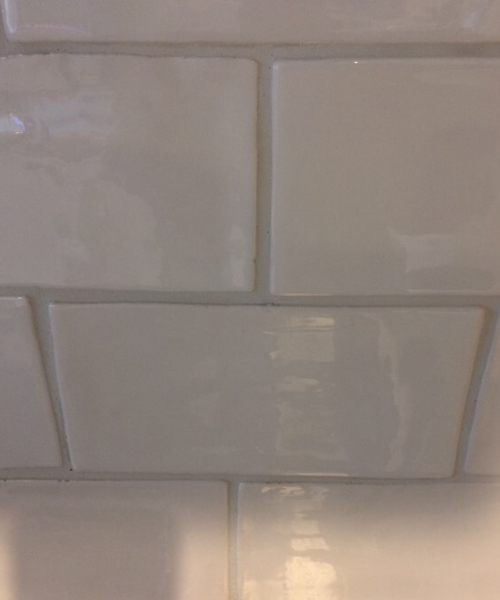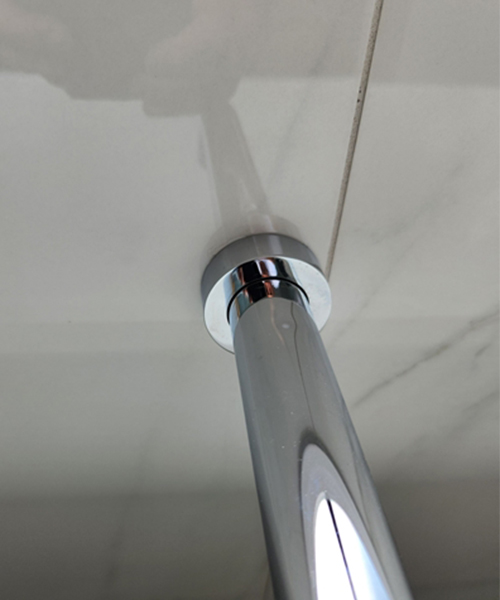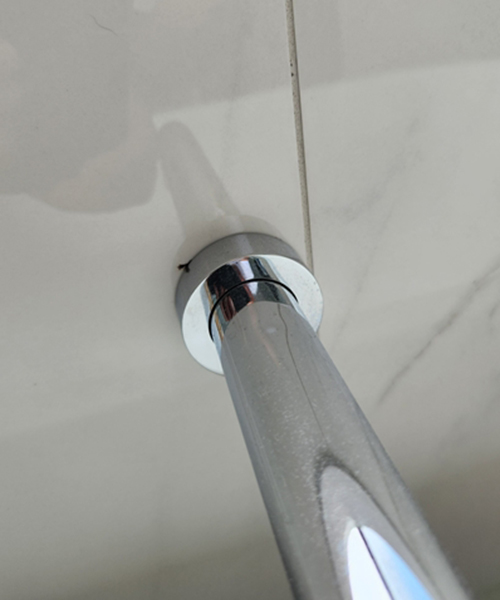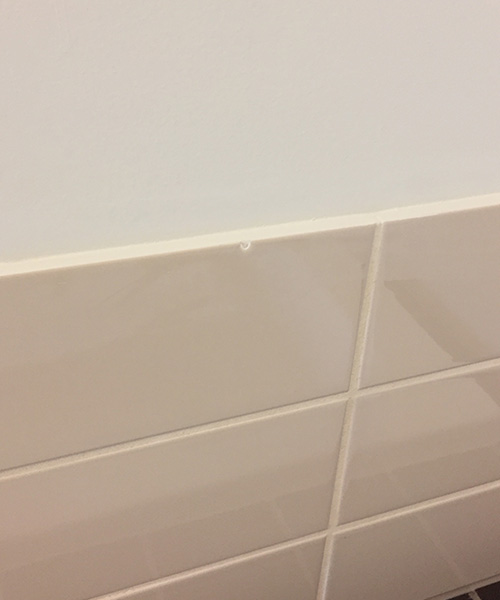
It seems like it should be simple. A tile is chipped. You replace the tile. Job done.
If only it were that simple. The reality of replacing a single damaged tile — even one that seems completely straightforward — is that it can quickly turn out to be more complicated, more expensive and more disruptive than anyone anticipates. Understanding why is genuinely useful, because it changes how you approach a chipped tile from the outset.
Problem One: Your Chipped Tile May Not Exist Anymore
Tiles go out of production constantly. The bathroom tile you chose five years ago, the kitchen splashback tile from your renovation two years back, even the floor tile from a house you bought pre-renovated — there’s a reasonable chance it’s no longer being manufactured in exactly that format, colour and finish.
Tiles also vary between production batches. Even when a tile is still available, a new batch may have tiny but visible differences in tone, texture or glaze finish compared to what’s already on your wall or floor. Professional tilers call this shade variation, and it’s an accepted part of the industry — but it means that even sourcing “the same” tile is no guarantee of a seamless visual match.
The older the tile, the more likely this problem becomes. A home built or renovated in the 1990s or early 2000s could easily have tiles that are simply unavailable anywhere — leaving a homeowner with a choice between living with the chip or retiling an entire wall or floor to achieve a consistent look.
Problem Two: Getting the Old Chipped Tile Out Without Breaking Everything Around It
Removing a single chipped tile from a tiled surface is a delicate operation — and one that regularly goes wrong. Tiles are bonded to the wall or floor with adhesive, and adjacent tiles share grout lines that are structurally connected. Once installed, tiles aren’t commonly designed to be removed. The vibration and leverage involved in chipping out one tile can crack or loosen the tiles immediately surrounding it, turning a single-tile problem into a multi-tile problem very quickly.
This is especially true of floor tiles, which are often larger format and more firmly bonded, and of wall tiles in wet areas, which may have been tiled over waterproof membranes that can be disturbed during removal. In a worst case, removing one tile can compromise the waterproofing behind it — which may then require you to re-waterproof the whole room.
Problem Three: The Grout
Even if you find a perfect tile match and remove the damaged tile cleanly, you still need to grout around the new tile. And grout — even “matching” grout from the same manufacturer and colour code — almost never blends invisibly with the existing grout around it. Existing grout has been cleaned, treated, exposed to water and light, and simply aged in ways that a fresh grout application cannot replicate.
The result is often a replaced tile that stands out not because of the tile itself, but because of a fresh grout line that draws the eye just as much as the original tile chip did.
Problem Four: The Bill
A tiler’s minimum call-out fee in Australia typically starts at several hundred dollars — before materials. Add the cost of sourcing the tile (if available), the grout, the adhesive, and the time required to do the job carefully, and a single-tile replacement can easily run to $500 or more. For a chip that, in the right hands, might have been repaired for a fraction of that cost.
What Tile Chip Repair Actually Offers
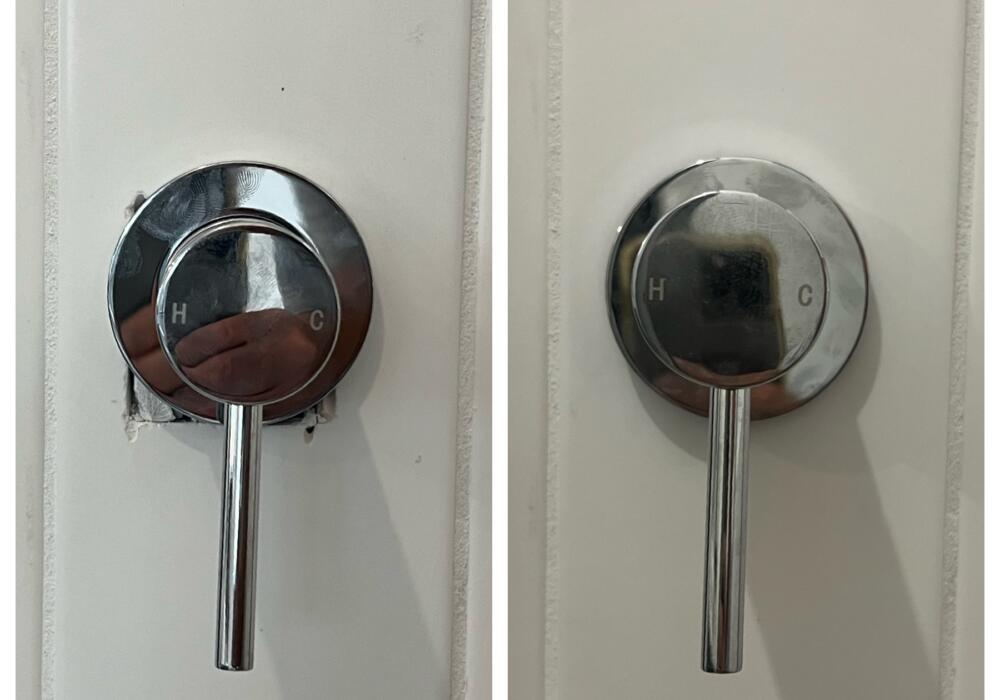
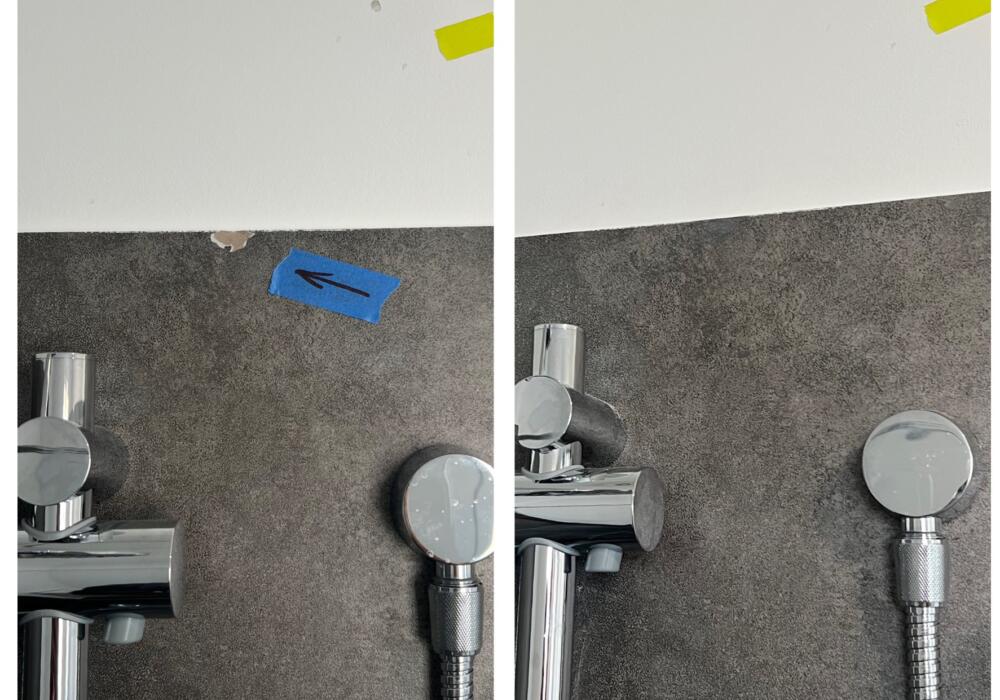
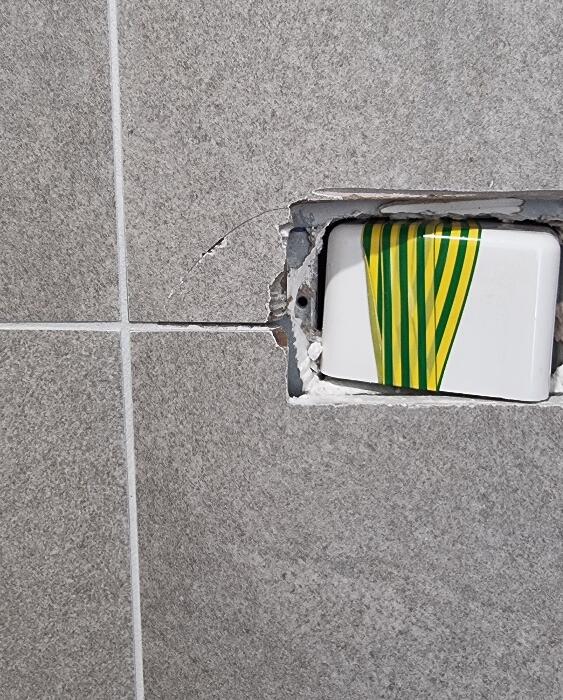
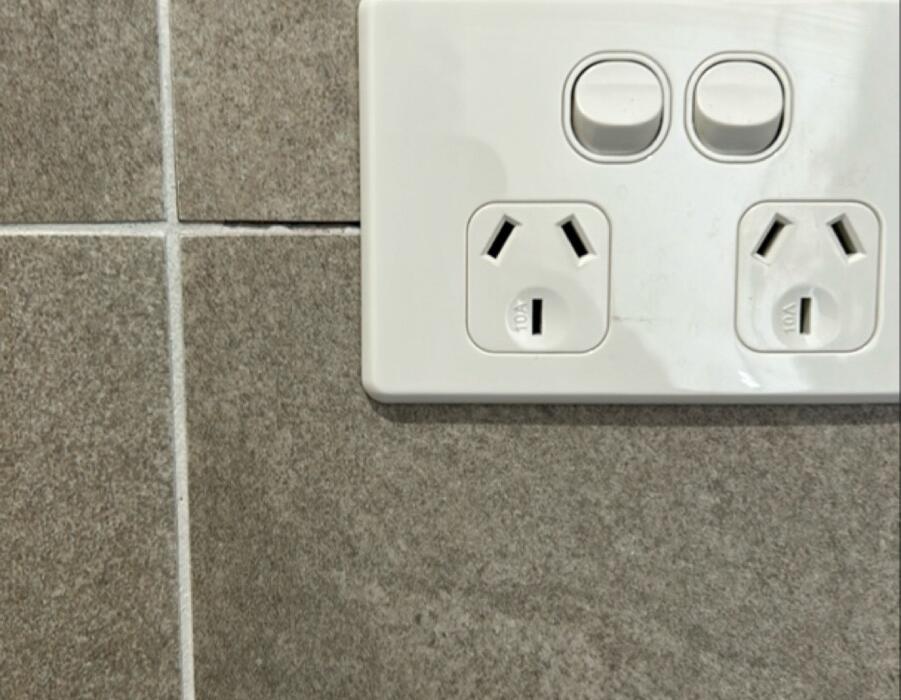
Professional chip repair for tiles works differently from replacement. Rather than removing and replacing, a FIX ‘N’ CHIPS technician repairs the chip in place — filling the chip, colour-matching to the specific tile, and finishing the surface to blend with the surrounding area. There’s no risk of disturbing adjacent tiles, no grout-matching problem, no need to source a discontinued product. The tile stays on the wall. The repair comes to it.
This approach works across a wide range of tile types: ceramic, porcelain, natural stone and mosaic tiles in bathrooms, kitchens, laundries, and floors. The size and location of the chip affects the outcome, but many chips that homeowners assume are unrepairable turn out to be excellent candidates for professional repair.
“Really thrilled with the repair of the hairline crack in my shower tile. There is no discernible repair on the surface of the tile and the finish matches the colour of the tile perfectly. Matt left the whole area spotless and I would highly recommend his work.” — Ann-Marie Moloney, FIX ‘N’ CHIPS customer
“The repair to a chipped tile that Andrew did for us looks terrific. The colour match is perfect and we can’t even tell where the repair was done without looking at “before” photo!! Very Happy. Thanks Andrew” – James Shirley, FIX ‘N’ CHIPS Customer
“Matt came to fix a chip in a shower tile and after a short amount of time it disappeared! It really takes a good eye to be able to spot it. 100% recommend Matt to fix your chips!” — Chris Houseman, FIX ‘N’ CHIPS customer
“Jason fixed a chipped tile I had in our bathroom. He did a sterling job with this. It was only a small chip but for 14 years, every time I entered the bathroom, i saw that chip. Today, i walk in and nobody would have ever known that it had ever been chipped. The job is absolutely perfect. Jason was friendly and explained what he was doing, he left the place pristine and the floor as new. A very professional job.” – Lea Aitken, FIX ‘N’ CHIPS Customer
The Right Question to Ask First
When you notice a chipped tile, the instinct is often to go straight to replacement mode. The better first question is: can this be repaired? Because if the answer is yes — and it often is — you save money, time and a significant amount of inconvenience.
Getting a quote from FIX ‘N’ CHIPS requires nothing more than a photo. No call-out fee. No obligation. Just an honest assessment of whether repair is the right option for your specific tile, your specific chip and your specific situation. If it is, you’ll be surprised how quickly and cleanly the problem disappears. If repair genuinely isn’t the right option, you’ll know that too — and you can make the replacement decision with full information rather than assumptions.
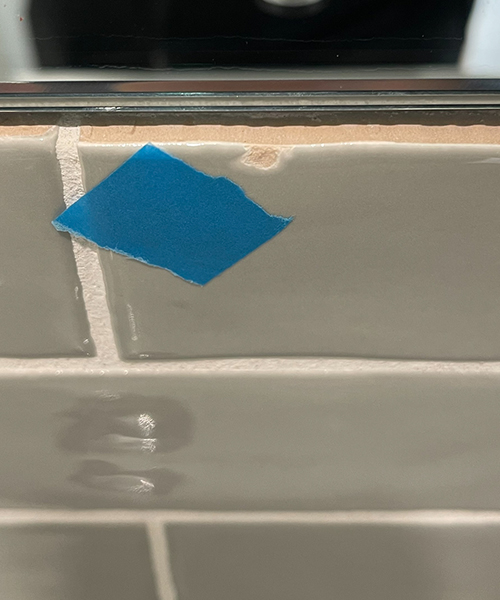
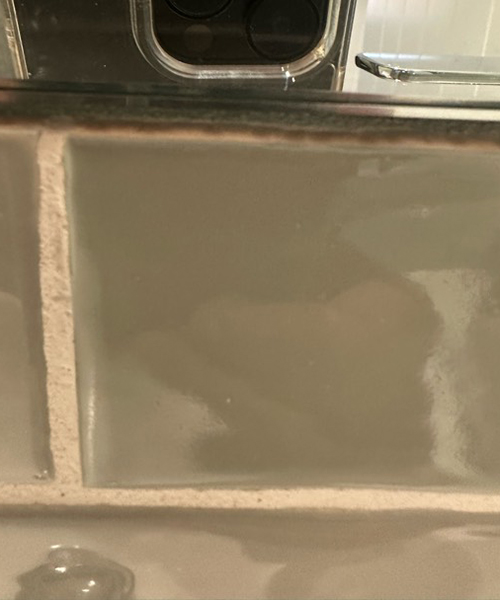
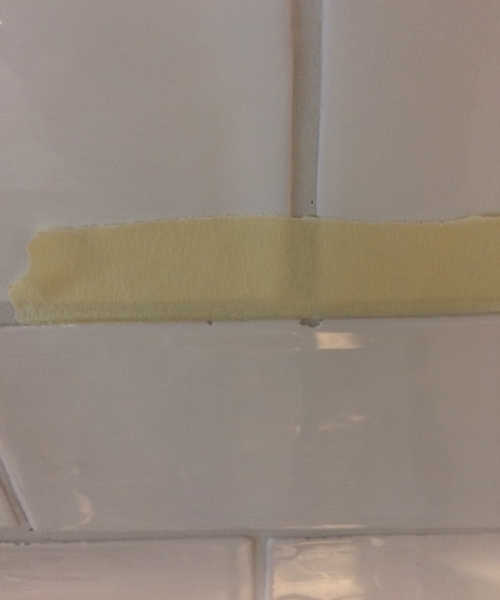
Before & After Tile Chip Repairs